If you run a store or even just pay at one, you’ve likely seen that quick prompt: debit or credit. It feels simple, tap and go. But behind that small choice, there’s a different flow of money, fees, and even risk when using a debit card POS.
Most people never stop to think about it. It just becomes part of the routine. But if you’re managing payments for a business, or you simply want to understand where your money actually goes, it’s worth taking a closer look.
What Does POS Actually Mean?
POS stands for Point of Sale. It’s the place where a transaction happens. That could be a physical checkout counter, a mobile device, or even a tablet used by a small business.
A POS system usually handles:
- Payments
- Receipts
- Inventory updates
- Basic reporting
So when we say POS debit or POS credit, we’re talking about how the payment is processed at that moment.

What is POS Debit?
POS debit is when money comes straight out of your bank account. You’re using your debit card, and the system pulls funds directly from your balance. When comparing POS V. ATM Transactions: What’s the Difference?, it’s important to note that POS debit transactions happen instantly at the point of sale, while ATM transactions are typically used for withdrawing cash or checking your balance.
In most cases, you either:
- Enter a PIN, or
- Tap or swipe, depending on the setup
The key idea is simple. You’re spending money you already have using a debit card POS system.
How it Works
When you choose debit at checkout:
- The system connects to your bank
- It checks if you have enough funds
- The amount is deducted almost immediately
Sometimes it shows as “pending” first, but it’s usually not something you can spend again.
Why People Use it
A lot of people prefer debit because it feels more controlled. You can’t really overspend beyond what’s in your account.
Also:
- No interest involved
- Easier to track daily spending
- Works well for routine purchases
But it’s not always perfect.
Downsides of POS Debit
- Limited fraud protection compared to credit cards
- If your account is compromised, your actual cash is affected
- Some banks may charge small fees
Still, for everyday use, debit feels straightforward.
What is POS Credit?
POS credit works differently. Instead of using your own money, you’re borrowing from a credit line. That could be a credit card or sometimes a debit card used in “credit mode,” similar to how a POS credit card transaction works.
You don’t enter a PIN in most cases. You sign or just tap.
How it Works
When you select credit:
- The system contacts your card network (like Visa or Mastercard)
- It checks your available credit
- The transaction is approved if you have enough limit
The money doesn’t leave your bank right away. It shows up on your credit card bill later when using a POS credit card.
Why People Use it
There are a few reasons why credit is popular:
- Rewards like cashback or points
- Better fraud protection
- Flexibility to pay later
For some people, it’s about convenience. For others, it’s about benefits.

Downsides of POS Credit
- Easy to overspend if you’re not careful
- Interest charges if you don’t pay on time
- Can build debt over time
So while it gives flexibility, it also needs discipline.
The Core Difference
At a basic level, the difference comes down to this:
- Debit = Your money
- Credit = Borrowed money
That sounds simple, but it changes how the transaction behaves.
Speed of Deduction
Debit transactions often reduce your available balance right away. Credit transactions show up later on your statement.
Fees for Businesses
This part matters more for business owners.
- Debit transactions usually have lower processing fees
- Credit transactions tend to cost more because of network charges
That’s why some small businesses prefer debit payments.
Security and Protection
Credit cards generally offer stronger protection. If something goes wrong, you can dispute the charge without your bank balance being touched. With a debit card, it can take time to recover funds if there’s an issue.
What Happens Behind the Scenes
This part is usually invisible, but it’s interesting. When you tap your card, the POS system:
- Sends data to a payment processor
- That processor contacts the card network
- The network checks with your bank or credit issuer
- A response comes back in seconds
It feels instant, but there’s a chain of systems involved. Sometimes delays happen. Sometimes transactions get declined for no clear reason. That’s part of how these networks work.
Debit as Credit: Why that Happens
You might have noticed something strange. You use a debit card but select “credit.”
That’s because many debit cards are dual-purpose. They can run on credit networks too.
In that case:
- No PIN is required
- The transaction is processed like a credit purchase
- Funds still come from your bank account
It’s a bit confusing, but it’s common.
Which One Should You Use?
There’s no single answer. It depends on your situation.
For Everyday Spending
Debit works well. It keeps things simple and avoids debt.
For Large Purchases
Credit might be better because of protection and flexibility.
For Businesses
It often comes down to cost. Debit is cheaper to process, but customers may prefer credit.
Some businesses even adjust pricing or encourage certain payment methods quietly.
Real Life Example
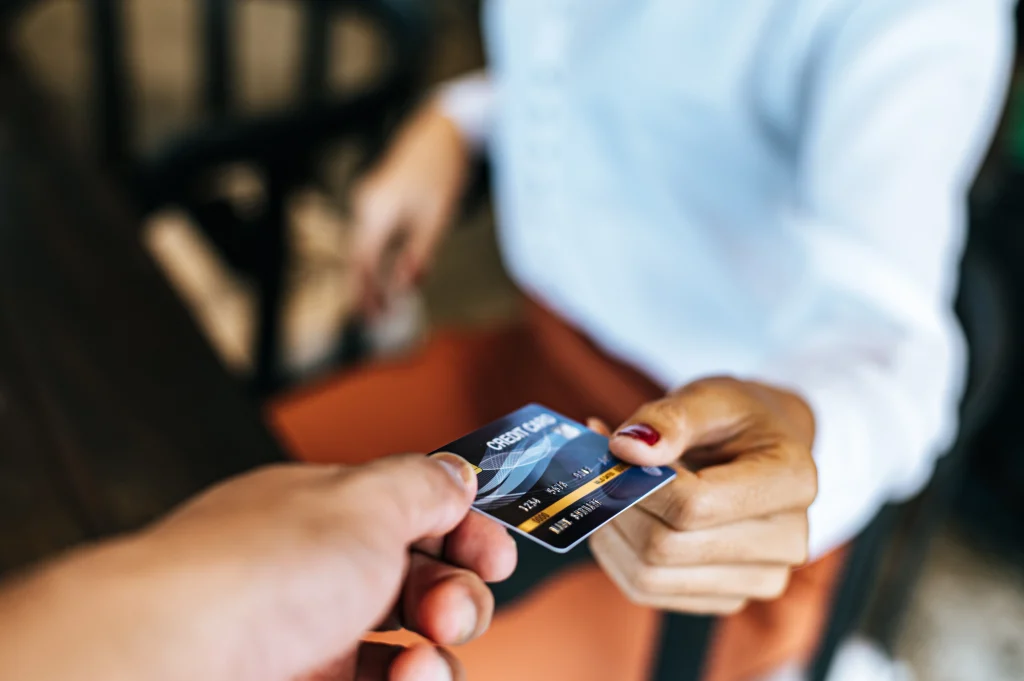
Let’s say you go to a store and spend $100.
If you use debit:
- $100 leaves your bank account quickly
- Your balance drops right away
If you use credit:
- $100 is added to your card balance
- You pay it later when your bill arrives
Same purchase, different flow.
Common Misunderstandings
A lot of people mix things up here.
- Thinking debit is always safer than credit
- Assuming credit always means debt
- Believing both have the same fees for businesses
In reality, each has its own place.
Why this Matters for Businesses
If you run a business, payment choices affect your bottom line.
Even small fee differences can add up over time.
Also:
- Faster processing can improve customer experience
- Fewer failed transactions can reduce friction
- Better reporting helps with decisions
A good POS system helps manage all of this without making it complicated.
The Role of Modern POS Systems
Today’s POS systems do more than just accept payments.
They can:
- Track which payment methods are used most
- Show daily and weekly trends
- Help manage refunds and disputes
Some systems even guide customers toward certain payment types based on setup. It’s not always obvious, but it’s there. When evaluating options, many business owners start asking, What is the Best Portable POS System for Small Business? because the right system can subtly influence how customers choose to pay while improving overall efficiency.
Final Thoughts
POS debit and POS credit may look like a small choice on a screen, but they work in different ways. Debit keeps things direct and simple. Credit adds flexibility but needs control.
For users, it’s about preference and habits. For businesses, it’s about cost and efficiency. At the end of the day, both exist because people need options. And that small button at checkout? It’s doing more than it seems. If you want a POS machine for your business that can accept both, then connect with Swyft POS right away!
FAQs
1. Is using a POS credit card beneficial for everyday purchases?
Yes, a POS credit card can be useful for everyday spending, especially if it offers rewards, cashback, or purchase protection. It also helps build credit history when used responsibly.
2. Is a debit card POS transaction safer for budgeting?
Yes, debit card POS transactions are great for budgeting because they only allow you to spend what you already have. This helps avoid debt and keeps spending under control.
3. Can businesses benefit from accepting both debit and credit at POS?
Yes, accepting both options gives customers flexibility and improves sales chances. It also allows businesses to balance lower debit fees with higher-value credit transactions.
4. Can using a POS credit card lead to financial issues?
Yes, if not managed properly, a POS credit card can lead to overspending and interest charges. Over time, this can build unnecessary debt and affect financial stability.
5. Are there risks with debit card POS transactions?
Yes, debit card POS transactions can be risky if fraud occurs, as the money is taken directly from your bank account. Recovery can take time compared to credit cards.